
Padel was born in a house in Acapulco (Mexico) in 1969. More than half a century later, it's played on five continents. And Mexico — the country that gave it to the world — is still the late guest at the party of its own sport. PADEL VS exists to fix that.
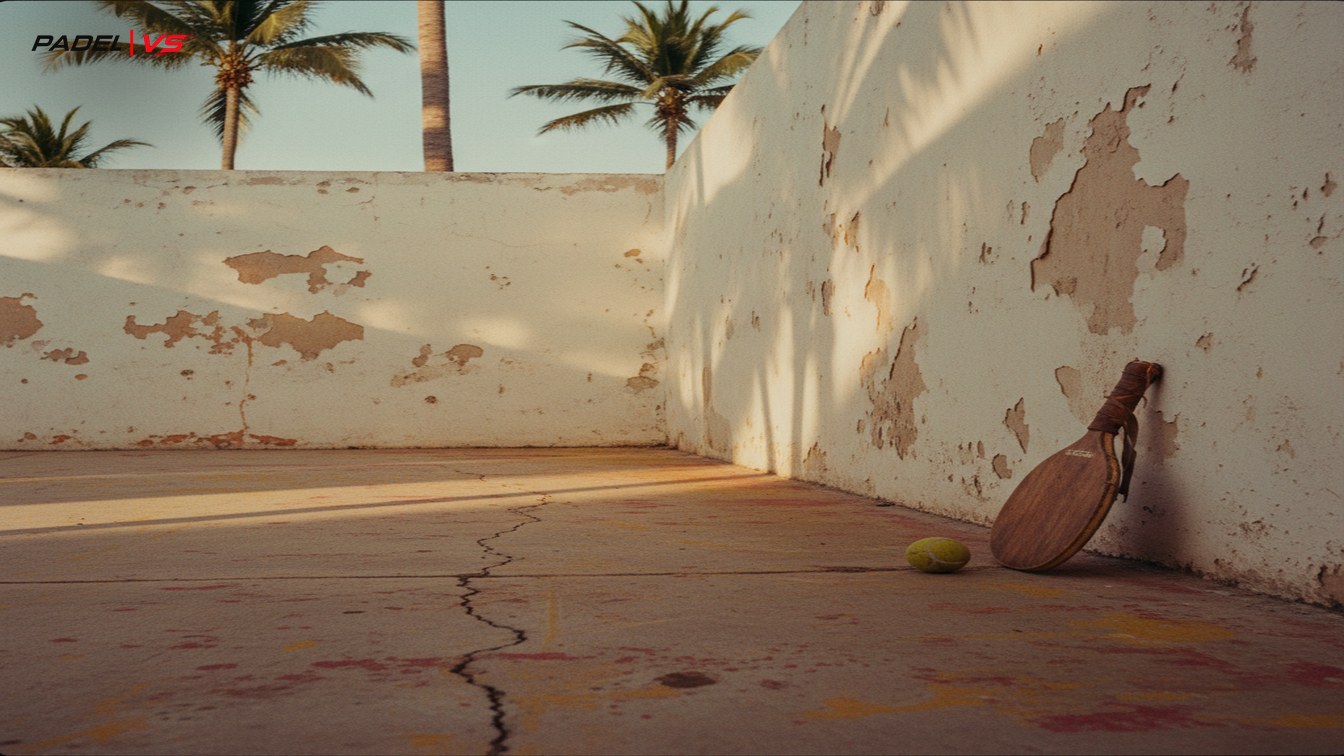
Acapulco (Mexico), 1969 — A wall and an idea
Enrique Corcuera wasn't trying to invent a sport. He just wanted to play at home. He had a small patch between the pool and the wall, so he improvised: walls instead of baselines, a paddle with no holes, a softer ball. Three rules. Four walls. One idea.
His friend Alfonso de Hohenlohe discovered it, took it to Marbella (Spain) — first the Costa del Sol, then the rest of Spain — and from there padel became what it is: the world's fastest growing sport of the last ten years.
Padel left Mexico and never came back. It professionalized in Spain, industrialized in Argentina, globalized from Europe. Mexico — the birthplace — became a footnote. That isn't right.
Cancún (Mexico), 1970 — The other birth
While padel was crossing the Atlantic, something else important was happening on the other end of the country. The Mexican government picked Cancún — a virgin strip of Caribbean coast — as the first tourism destination designed from scratch to welcome the planet.
It wasn't a town that existed and got promoted. It was a project that launched on April 20, 1970. 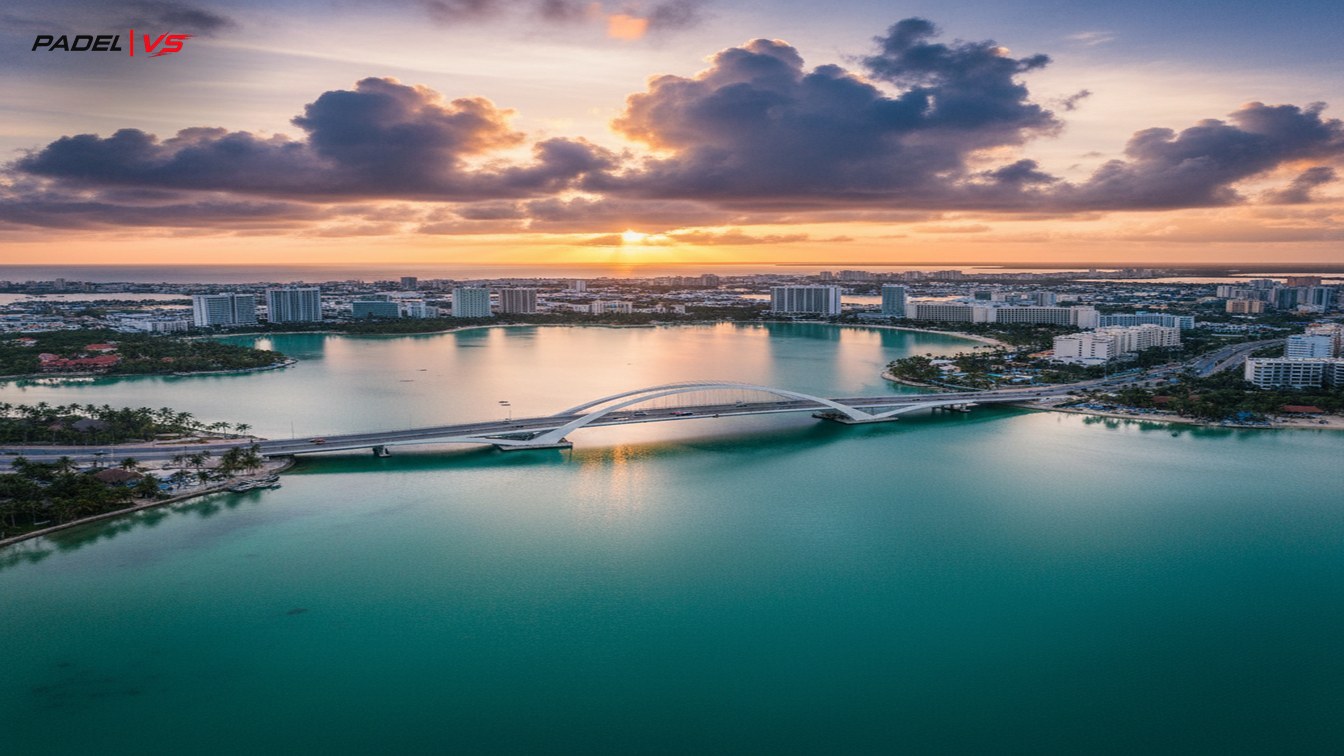
Today Cancún is one of Latin America's most connected airports. The country's gateway to the world.
If Acapulco gave padel to the planet, Cancún is where the planet comes back home. That's why PADEL VS isn't born in Madrid (Spain), Buenos Aires (Argentina) or Barcelona (Spain). It's born in Cancún, because we want the cycle to close here. 1969 was the birth of the sport. 1970, the birth of the territory that now projects it back.
The colors we chose
The green and red of PADEL VS aren't mood-board decisions. They're the colors of the Mexican flag. Plus a lime accent — because the ball's bounce has its own light.
The red of VS isn't a corporate-logo red. It's UFC-clock red, Wimbledon-baseline red, Ferrari-helmet red. Pure #FF0000 — intensity, urgency, not decoration.
The typeface: GMX, made for Mexico
For PADEL VS headlines we didn't pick Helvetica, Inter or Montserrat — all excellent, none Mexican. We use GMX, the official typeface designed by Mexican studio Enigma specifically for Mexico's visual system.
Every time a player in Rome (Italy) or Buenos Aires (Argentina) opens the website, they're reading a Mexican typeface. They don't know it — and they don't need to. But it's happening. That's the point.
The logo: PADEL in Eurostile, VS hand-drawn
"PADEL" takes its cue from Eurostile Extended Bold Italic — the typography of premium racing, of Audi Sport, Ducati, F1 teams. Speed without shouting.
"VS" was redrawn by hand over Oswald + Bebas Neue proportions. Widened. Diagonal terminals sharpened. Kerning calibrated so the two letters read as one symbol. It's custom. You can't recreate it by typing in those fonts. A logo shouldn't be a font anyone can type. It should be a drawing that means only one thing.
The promise
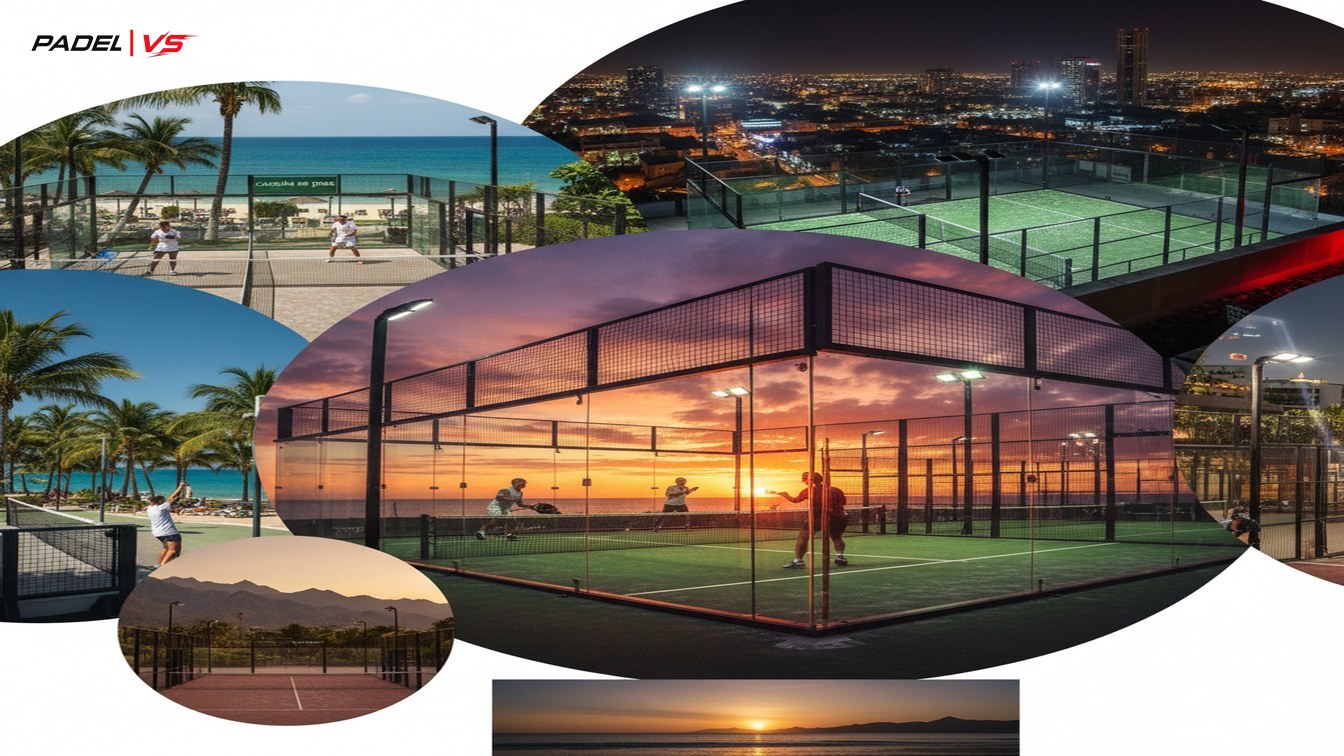
PADEL VS isn't a padel app. It's the return. Mexico gave the world a sport that moves a billion dollars a year, and that debt has never been paid. We're starting to pay it now.
We owe something to Mexico that was never returned. We're returning it now.
Three words
COMPETE. IMPROVE. WIN.
On the court
"Mexico won't tell you — but your partner will: ¡Devuélvele esa bola, cabrón!"
— Any pickup game, any city, any Sunday.
And if you play — sign up. The account is free. The ELO ranking is free. The return is free too.